

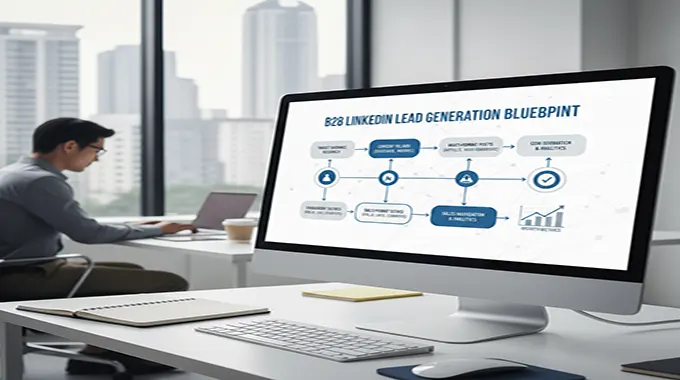
For B2B companies, LinkedIn is not just another social media platform; it is the world’s largest network of decision-makers and professionals actively seeking industry solutions. The challenge lies in moving prospects past simple content consumption into a measurable lead pipeline. To achieve high-quality conversions, a haphazard posting schedule won’t cut it. This guide breaks down the elements of the best B2B LinkedIn content marketing strategy for lead generation, focusing on alignment, distribution, and conversion.
Content Pillars: From Awareness to Conversion
A successful B2B strategy addresses the buyer’s journey at every stage with tailored content:
- Top-of-Funnel (ToFu) – Authority Building: The primary goal is organic reach and establishing thought leadership. Use formats that the LinkedIn algorithm favors, such as polls, short-form native video (under 90 seconds, vertical format is best), and contrarian text posts sharing original industry insights. This content builds credibility and draws in your target persona.
- Middle-of-Funnel (MoFu) – Problem Solving: Once engaged, prospects need specific value. This is the sweet spot for conversion content. Use carousel posts (document posts) to break down a complex guide, present data, or showcase a micro-case study using the Challenge-Solution-Result framework. These formats are highly “savable” and shareable, keeping your brand top-of-mind as the prospect researches solutions.
Distribution Tactics: Maximizing Reach and Authority
Even the best content will fail without a strategic distribution plan that leverages LinkedIn’s unique structure:
- Employee Advocacy: The algorithm heavily favors personal profiles over company pages, giving personal posts 3x or more organic reach. The best B2B LinkedIn content marketing strategy for lead generation involves a clear program where subject matter experts and employees share, repost, and engage with the core company content. This maximizes visibility across diverse professional networks.
- Native Engagement: Use LinkedIn’s native features. Uploading documents directly as carousels or posting videos natively achieves higher impressions than linking externally.
- Strategic Engagement: Respond to every meaningful comment on your posts. This keeps the conversation alive and boosts your content’s visibility in the feed.
The Lead Generation Hook (Conversion)
The transition from content consumer to qualified lead requires a specific conversion tactic:
- The Comment-Gating Hook: Instead of posting an external link to your landing page (which the algorithm suppresses), post a compelling content teaser (e.g., a carousel summary of a whitepaper). The Call-to-Action should be, “Comment ‘GUIDE’ below and I’ll DM you the link!” This maximizes comments (boosting organic reach) while opening a direct, personalized conversation in the DMs—an instant warm lead opportunity.
- Paid Lead Gen Forms: For performance marketing, use LinkedIn’s paid Lead Gen Forms. These pre-fill with prospect data (job title, company, email), drastically lowering the friction barrier and maximizing conversion rates from targeted ad campaigns.
The best B2B LinkedIn content marketing strategy for lead generation is a systematic process of building authority with engaging content, using personal networks for maximum distribution, and employing low-friction conversion tactics. By aligning high-value content with the strategic lead capture mechanisms built into the platform, B2B companies can transform LinkedIn from a passive networking site into a highly effective, revenue-driving machine.